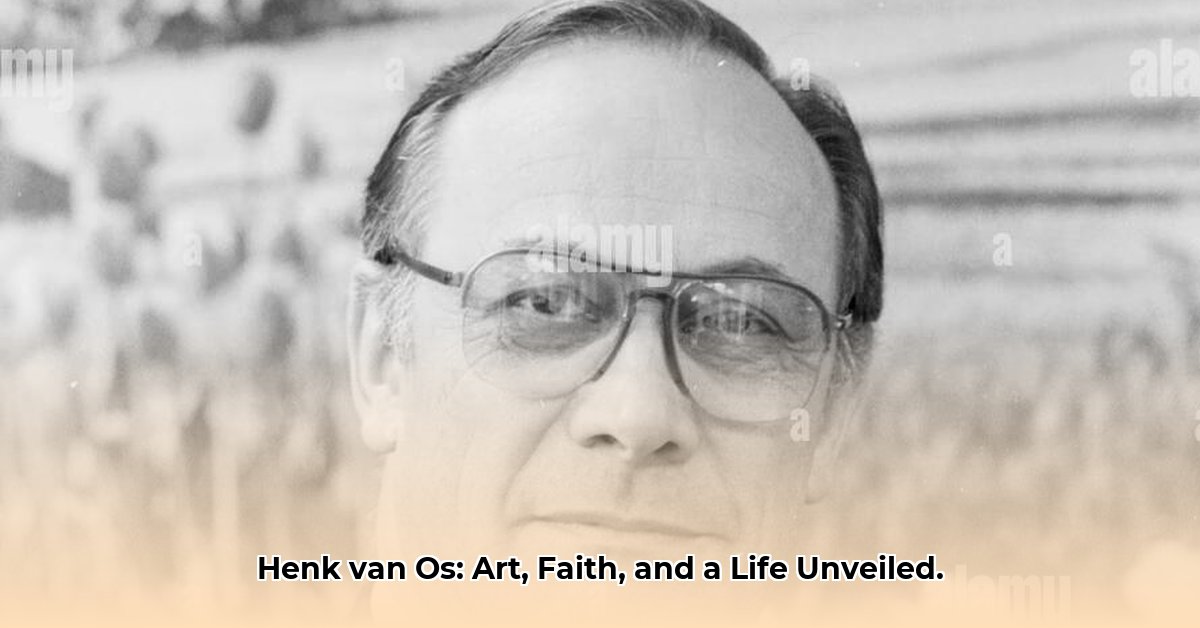
Henk Van Os Kinderen: A Life Painted in Art and Faith
Henk Van Os Kinderen – the name itself evokes images of hallowed museum halls, the hushed reverence of academic discourse, and the familiar glow of the television screen. He wasn't just any art historian; he was a titan in the field, seamlessly bridging the chasm between scholarly rigour and the everyday lives of millions. Imagine someone who could discuss 17th-century Dutch Masters with the same infectious enthusiasm as the latest rugby match – that was Henk. For more on faith's role in art, see this helpful resource.
His journey began in 1938, a world still grappling with the scars of war, a time when art arguably offered a fragile beacon of hope. By 1969, he’d earned his doctorate – a significant achievement, testament to years of dedicated study and countless nights fueled by strong coffee (or perhaps, stronger coffee). This academic triumph propelled him to a professorship in 1974, where he mentored and inspired generations of art enthusiasts, shaping the future of the field.
Then came his tenure at the Rijksmuseum (1989-1996). Picture Henk at the helm of this prestigious institution, navigating the complexities of leadership, shaping its vision, and making pivotal decisions – a testament to his unparalleled expertise and reputation. What’s even more remarkable? He became a household name, a television personality, eloquently explaining the wonders of Dutch art to a wide audience. How many art historians boast such widespread fame?
But to truly understand Henk, we need to look beyond the accolades, the public persona. We need to explore his private life, a journey documented with striking honesty in Vader & Zoon krijgen de geest (Father & Son receive the spirit), a collection of letters exchanged between him and his son, Pieter. This exceptional correspondence offers a captivating glimpse into their father-son dynamic, revealing their grapple with life's profound questions. The letters showcase a fascinating contrast: Henk's deeply personal and evolving faith is juxtaposed against Pieter's more scientific outlook. This isn't a dry theological debate; it's a raw, intimate exchange, overflowing with love, disagreements, and the shared human experience of searching for meaning in a complex world. This 176-page book, costing €16.95, offers invaluable insight into his life's journey.
Isn't it fascinating how this intensely personal spiritual journey shaped his work? His reflections on faith likely profoundly influenced his interpretations and analyses of religiously-themed art. His unwavering dedication to both rigorous scholarship and public engagement likely stemmed from an insatiable intellectual curiosity and a relentless quest for both knowledge and understanding. His thirst for uncovering meaning, both in art and his faith, appears to have been woven into the very fabric of his being.
Sadly, Henk passed away in 2025 at the age of 87, marking the end of an era. But his legacy – his monumental contribution to the art world, his exceptional ability to connect with diverse audiences, and his deeply personal exploration of faith – continues to resonate profoundly. His story is inspiring – a tale of a life fully lived, pursuing knowledge, sharing passions, and facing life's big questions with honesty and grace. How can we ensure his impact continues to inspire future generations?
To preserve his memory, we must take action. We need to create a comprehensive archive of his writings and broadcasts – a living testament to his life's work. We need to develop educational programs inspired by his life and work. We need engaging documentaries, utilizing archival footage to introduce Henk and his era to new audiences. His story deserves to be shared for generations to come.
Henk Van Os Kinderen: A Timeline
| Category | Data |
|---|---|
| Year of Birth | 1938 |
| Year of Doctorate | 1969 |
| Year of Professorship | 1974 |
| Rijksmuseum Directorship | 1989-1996 |
| Year of Death | 2025 |
| "Vader & Zoon" Pages | 176 |
| "Vader & Zoon" Price | €16.95 |
Henk Van Os Kinderen’s life serves as a powerful reminder that a life dedicated to scholarship, communication, and a profound personal search for meaning creates a far-reaching legacy. It's about the impact we have on others and the richness of our own journeys. His life's work is more than just paintings, books, and broadcasts – it's a testament to the power of human curiosity and a life lived to its fullest.
How Did Henk Van Os's Faith Influence His Art Historical Work?
Henk Van Os wasn't merely an academic; his life and scholarship were inextricably linked with his faith. This wasn't a peripheral detail but a central force shaping his approach to art history. How did this influence manifest? Let's explore.
A Spiritual Lens on Art
Van Os viewed art not solely as aesthetics or technique, but as a reflection of spiritual aspirations. His interpretations were frequently informed by his theological understanding. This wasn't about imposing religious narratives onto secular art, but about uncovering deeper spiritual dimensions that artists, consciously or unconsciously, embedded in their creations. This enriched his analyses and opened possibilities of understanding that may have eluded a purely secular approach.
The Role of Symbolism
How did Henk van Os’s faith shape his art historical analysis? His keen eye for symbolism provides a clear connection. He saw religious imagery not as simple illustrations, but as complex texts layered with meaning. He meticulously analysed compositions, colours, and iconography for symbolic clues that revealed the artist’s spiritual intentions and the artwork's broader impact. It wasn’t simply about identifying biblical figures; it was about deciphering the underlying messages about faith, piety, and the human condition. His unique approach highlighted how artists subtly communicated complex theological ideas through visual means.
Interfaith Dialogue and Understanding
Van Os's work extended beyond Christian art; his explorations encompassed the artistic expressions of other faiths, reflecting a broad ecumenical perspective. This comparative method, rooted in his own faith, facilitated a deeper understanding of the universal quest for the divine as expressed through diverse artistic styles and traditions. He saw common ground in religious art despite superficial differences, witnessing a testament to the shared human experience.
Contextualising Art within its Historical Setting
Van Os's faith informed his understanding of the historical context of art production. He didn't just focus on aesthetic merit; he meticulously examined the social, political, and religious climate to comprehend its creation and reception. By considering the religious landscape, he developed rich interpretations of the artwork's meaning and its intended audience. This approach is evidenced in his work on how the Reformation and Counter-Reformation shaped artistic expression.
The Personal Touch: Letters and Reflections
Insights from Van Os’s personal writings, such as letters to his family or colleagues, would undoubtedly shed further light on the influence of his faith. These could reveal how his beliefs directly shaped his research methods and interpretations. These personal accounts would offer a more intimate understanding of how his faith intertwined with his academic endeavors.
Key Takeaways:
- Van Os's spiritual lens enriched his art interpretations, seeing art as a reflection of deeper spiritual aspirations.
- His understanding of symbolism in religious art uncovered subtle theological messages, adding another level of understanding.
- His work demonstrated a breadth of perspective, transcending cultural and religious boundaries.
- His approach contextualized art accurately within historical settings, including the political and religious climate of the time.
- His personal writings promise further insights into how his faith deeply influenced his scholarly work.